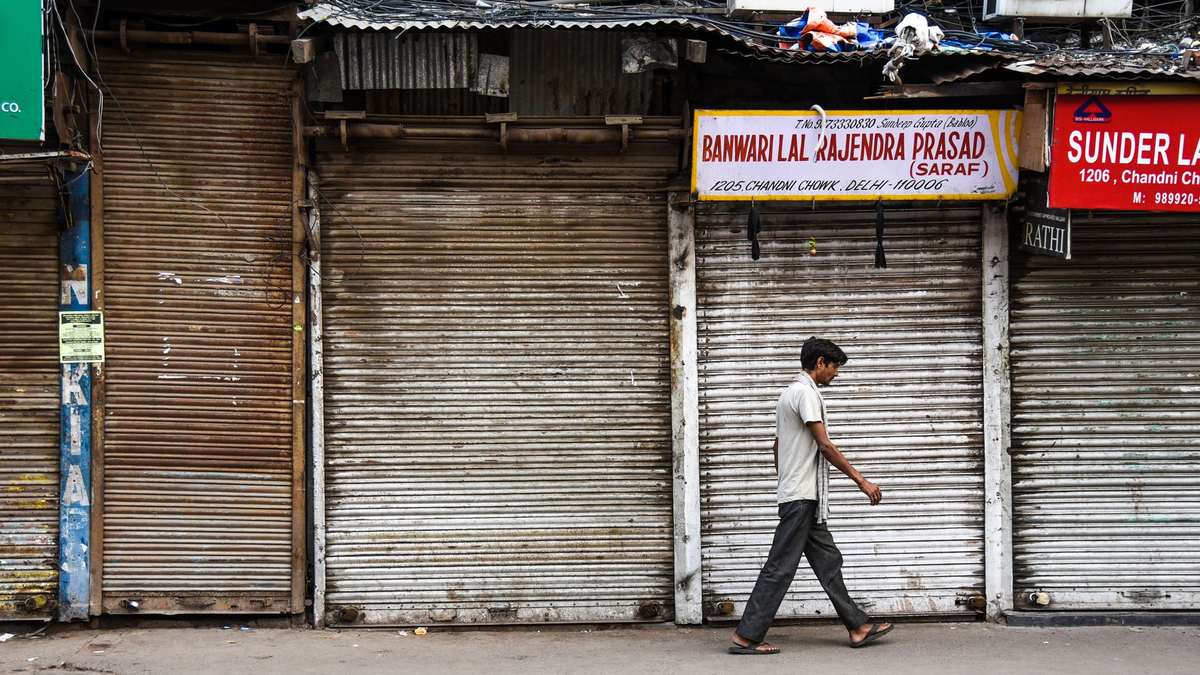
When nobody is at the shop, clinic or desk, an incoming call usually does one of three things: it rings until it cuts, it lands in a voicemail box that nobody opens, or it shows up as a missed call you see at 9 pm and forget by morning. For a business that lives on appointments, that call was often someone ready to book. This guide walks through what really happens to after-hours calls, the options from cheapest to most complete, and how a virtual receptionist fits in when you cannot afford night staff.
What actually happens when a call comes in and nobody answers?
The caller does not know your reasons. They only know the phone rang and nothing happened, so they try the next name on the search results. Depending on how your number is set up, one of these happens:
- The phone rings out and disconnects. You get a missed call entry and nothing else.
- The call goes to your operator's voicemail. The caller hears a generic message, and some will hang up rather than record one.
- The call forwards to your own mobile, which is on silent or switched off, so it rings out there instead.
- The call is answered by a person or a virtual receptionist who notes the request and, if it can, books it.
Only the last outcome gives the caller a reason to stay. The first three leave you with a missed number and no idea what they wanted.
Why do after-hours calls matter more for appointment businesses?
If you sell appointments, a phone call is often the booking itself. A caller at 8 pm after work is not browsing. They want a slot, a price or a yes or no on whether you can see them this week. Tutors hear from parents after school hours, PG owners from students who just finished a day of room hunting, and clinics from people who put off the call until the evening.
Think of three kinds of after-hours call:
- Booking calls: "Can I come tomorrow?" These are worth the most and expire the fastest.
- Information calls: timings, fees, location, parking. They are easy to answer but easy to lose if nobody does.
- Urgent or sensitive calls: a complaint, a repeat customer who needs you personally, or a situation that needs a human. These should reach you, not be buried in a list.

Which options do you have, from cheapest to most complete?
Think of it as a ladder. Each step costs more effort or money and catches more calls.
| Option | What the caller gets | Main weakness |
|---|---|---|
| Missed-call list only | Ringing, then silence | You never learn what they wanted |
| Voicemail | A chance to leave a message | Some callers will not, and you must check it |
| Forward to the owner's mobile | A live person, sometimes | Breaks your evenings, and fails when you are busy |
| Human answering service | A live person with a script | Priced the way the provider chooses, and limited by what the script covers |
| AI receptionist | An answer in seconds, any hour | Works only from information you have confirmed, so you must set it up well |
Rungs one to three cost you almost nothing in rupees and a lot in missed work. Rungs four and five cost money, which is easier to measure than the bookings you never see. If you are comparing the paid options, note that pricing varies by provider and plan; ask each one what is included before you compare.
How do you set up voicemail and forwarding so they actually help?
Many owners switch these on once and never test them. If you stay on the lower rungs for now, do it properly.
- Record a proper voicemail greeting. Say your business name, your opening hours and what to leave: name, number and what they want to book. A message such as "Leave your name, number and the day you prefer, and we will call you back by 10 am" is better than a blank beep.
- Check what your phone does when you are busy or unreachable. Operators offer forwarding that applies only in certain situations. Jio's help page lists no answer, busy and not reachable forwarding as separate types, and Airtel's page describes busy, no answer and unreachable forwarding, where unreachable means the phone is switched off or outside network coverage. Set each case you need in your phone's call settings or ask your operator.
- Forward to a number someone actually watches. A second phone in a drawer does not help.
- Call your own number from a different phone at night. Listen as a customer would. Does it ring, forward, reach voicemail, or go dead?
{: .post-msg } Sample voicemail greeting: "Thank you for calling. We are closed now and open again at 9 am. Please say your name, your number and the time you would like to book, and we will call you first thing."

What should your after-hours call policy say?
A policy turns a vague intention into a routine anyone on your team can follow. It does not need to be long. Write it on one page and share it with whoever opens the business each morning. A starting template:
- Hours and coverage: the hours you answer live, and what happens outside them.
- What counts as urgent: list the situations that must reach the owner or a named person, and how (a call or a WhatsApp message).
- Who calls back, and by when: for example, "every missed booking call gets a reply before 10 am".
- What gets recorded: caller name, number, reason for the call, preferred day, and what was promised.
- What is never promised: prices, discounts or medical or legal advice without the owner's say-so.
- Review: the person who reads the missed-call list each morning, and where the notes go.
What does an unanswered booking call cost in rupees?
The cost is hard to see because the caller never appears in your records. Put your own numbers into a simple formula to see roughly what you may be losing.
{: .post-formula } Monthly value of unanswered calls = missed booking calls a week x share that would have booked x average booking value x 4
The table below uses made-up numbers, so treat it as a worked example, not market data. Your counts and booking values will differ.
| Business | Missed calls a week | Booked | Booking value | Monthly value |
|---|---|---|---|---|
| Salon | 5 | 2 | Rs 800 | Rs 6,400 |
| Physio clinic | 4 | 2 | Rs 1,200 | Rs 9,600 |
| Home repair | 6 | 3 | Rs 900 | Rs 10,800 |
Weigh these against the plan you are considering. For comparison, Anssay's Voice plan is Rs 4,999 a month, which is Rs 5,899 with 18% GST, according to the pricing page. If your own numbers come out far below that, a cheaper rung may do for now. If they come out close to or above it, the missed calls are likely costing more than the cover would.

How do you review missed calls the next morning?
Whichever rung you choose, the morning review is where the value is captured. Ten minutes is usually enough.
- List every missed call and voicemail from the night. Include calls that came in after you left, not just the ones you noticed.
- Sort them into three piles: bookings, questions and urgent matters.
- Call back or message the urgent ones first, then the bookings, then the questions.
- Note the outcome beside each: booked, call again, not interested, wrong number.
- Count them. Once a week, add up how many calls came in after hours and how many became bookings. This gives you your own numbers for the formula above, which is more useful than any figure from another business.
When is a human answering service worth it?
A human answering service makes sense when callers expect a person and most calls are simple: taking a message or passing on an urgent request. It suits a business where a human voice matters and call volume is low.
Check these before you sign up:
- Booking: can they actually put a booking in your calendar, or only take a message?
- Your information: how do they learn your fees, timings and rules, and who keeps them up to date?
- Handover: how will urgent calls reach you, and how fast?
- Cost model: is it a fixed fee, per call or per minute, and what happens in a busy month?
What does a virtual receptionist do that voicemail cannot?
A virtual receptionist answers the call, talks to the caller and acts on what they ask. In practice that means checking your confirmed information, booking a slot, taking a message, or passing the call to you when something needs a person. The difference from voicemail is that the caller gets a response in the moment rather than a promise to call back.
Things to test before trusting any virtual receptionist:
- Does it answer in the languages your customers use, and switch if they do?
- Does it say what it is when asked, rather than pretending to be a person?
- Does it stick to information you gave it, and say so when it does not know?
- Does it hand over cleanly, with the full conversation, when the caller wants something it should not decide?
How does Anssay handle after-hours calls?
Anssay is an AI receptionist for small businesses in India, built by Softknack Technologies in Chennai. According to its home page, it answers calls and messages day and night, in English, Tamil and Hindi, and books into your calendar. It answers only from information you have confirmed, and it sends prices, complaints and anything new to you with the context. It tells callers it is the business's virtual assistant if they ask. Anssay's privacy page says it records and transcribes the calls it answers so you can see what happened.
Setup, as the site describes it, has three parts:
- Forward your missed calls from your phone, when busy or unanswered.
- Record a one-minute voice note about your timings, services and prices.
- Go live the same day. Your number stays yours.
The Voice plan covers phone calls; to cover WhatsApp and website chat as well you would need Voice + Chat. Plans are Chat Rs 2,999, Voice Rs 4,999 and Voice + Chat Rs 6,999 a month, excluding 18% GST (Rs 3,539, Rs 5,899 and Rs 8,259 with GST), with a 14-day free trial and no card needed. See the pricing page for what each plan includes.
What mistakes should you avoid with after-hours calls?
- Leaving the default voicemail on. A generic message tells the caller nobody is paying attention.
- Forwarding to a phone nobody watches. Test it at night, not just in the day.
- Never reading the missed-call list. If nobody owns it, it does not get read.
- Promising callbacks you cannot keep. Say "before 10 am" only if you will do it.
- Treating every call the same. Decide what is urgent and how it reaches you.
Where do you go from here?
Start by finding out what your phone does at night, then count a fortnight of missed calls. If the number is small, a better voicemail and a morning review may be all you need. If it is large, or the callers are mostly people ready to book, cover on the higher rungs starts to pay for itself.
Anssay is one option for that last rung, and it is built for appointment-led small businesses: clinics, PGs, tutors, repair and home services, physio, consultants and salons. You can check who it is built for, and the 14-day free trial lets you test it on your own missed calls before paying. Whichever rung you pick, decide using your own numbers first.
A short checklist to take away:
- Call your own number at night and note what the caller hears.
- Count missed calls for two weeks and read the list every morning.
- Put your after-hours policy on one page.
- Use the free trial to test an AI receptionist on your own missed calls.